



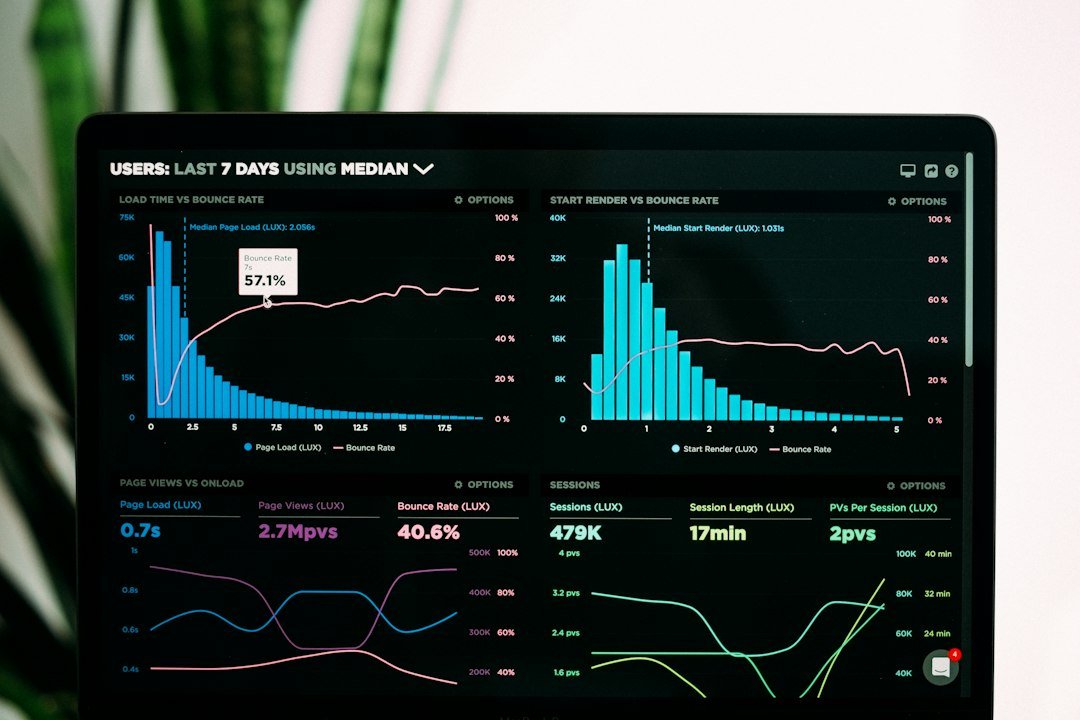
What is SEO and how does it work?
SEO (Search Engine Optimization) is the practice of increasing the quantity and quality of traffic to your website through organic search engine results. It works by optimizing a site’s Technical SEO, content relevance, and authority, ensuring search engines like Google can crawl, index, and rank your pages for relevant queries.
Quick Answer Box:
Successful SEO in 2025 requires a three-pillar approach:
- Technical Excellence (Website Speed, Mobile SEO, Core Web Vitals).
- Content Authority (E-E-A-T, Semantic SEO).
- AI Optimization (GEO, Schema Markup).
Mastering these ensures your Digital Marketing efforts lead to sustainable growth.
Table of Contents
- Introduction: The New Landscape of SEO
- Why SEO Matters More Than Ever
- The Foundational Pillars: Technical, On-Page, Off-Page
- Technical SEO: Building a Solid Foundation
- Content Marketing & E-E-A-T
- AI SEO & GEO: The Future of Search
- Comparison: Organic SEO vs. PPC Advertising
- Step-by-Step SEO Process
- Common Mistakes to Avoid
- Expert Tips for Professional Marketers
- SEO Checklist for 2025
- FAQs
- Conclusion & Call-to-Action
1. Introduction: The New Landscape of SEO
Search Engine Optimization is no longer about “tricking” an algorithm. In 2025, it is about providing the most helpful, reliable, and technically sound experience for the user. As a leading Digital Marketing Agency, Digital4learn has watched SEO evolve from simple keyword stuffing to a complex ecosystem involving AI SEO, User Experience (UX), and Branding. This SEO Guide is designed to take you from the basics to advanced strategies used by industry experts.
2. Why This Topic Matters (The Search Revolution)
With the introduction of Google AI Overviews, ChatGPT Search, and Perplexity, the way users find information has changed. Traditional “blue links” are now accompanied by generative summaries. To stay visible, your site must not only rank but also be “citeable” by AI engines. This requires a shift toward Generative Engine Optimization (GEO).
3. The Foundational Pillars of SEO
Pillar 1: Technical SEO
Without a healthy technical foundation, your content won’t be seen. You must focus on:
- Website Speed & PageSpeed: Ensuring your Web Hosting and code are optimized.
- Core Web Vitals: Google’s metrics for loading, interactivity, and visual stability.
- Mobile SEO: With mobile-first indexing, a Responsive Website is mandatory.
- Website Security: Using HTTPS is a fundamental trust signal.
Pillar 2: On-Page & Semantic SEO
This is about helping search engines understand your content’s meaning.
- Entity SEO: Optimizing for topics and “entities” rather than just strings of keywords.
- UX/UI Design: How users interact with your Website Design affects dwell time and rankings.
- Schema Markup: Providing structured data to help search engines display rich snippets.
Pillar 3: Off-Page & Authority
Building trust outside of your own website.
- Google Business Profile: Essential for Local SEO.
- Social Media Marketing: Driving brand signals and referral traffic.
- Backlink Strategy: Earning links from authoritative sources in your niche.
4. Comparison Tables: Choosing Your Strategy
Organic SEO vs. PPC Advertising
| Feature | SEO (Organic) | PPC (Google/Facebook Ads) |
|---|---|---|
| Cost | High time investment, low per-click cost | High direct cost per click |
| Sustainability | Compounds over time | Stops immediately when budget ends |
| Trust | High (70-80% of users ignore ads) | Moderate (Immediate visibility) |
| Speed | 3-9 months for significant results | Instant traffic and Lead Generation |
Traditional SEO vs. GEO (Generative Engine Optimization)
| Aspect | Traditional SEO | GEO (AI Search) |
|---|---|---|
| Primary Goal | Ranking #1 in SERPs | Being cited in AI Overviews |
| Strategy | Keywords and Backlinks | E-E-A-T and Semantic Clarity |
| Format | Optimized for Crawlers | Optimized for LLMs (Large Language Models) |
5. Technical SEO: Deep Dive
A Digital Marketing Career often begins with mastering the technicalities. Ensure your Website Development team focuses on:
- Crawl Budget: Don’t waste Google’s time on low-value pages. Use Robots.txt and Canonical Tags wisely.
- Indexing: Use a clean XML Sitemap and monitor Google Search Console for errors.
- Responsive Website Design: Test your site on all devices to ensure UI Design remains functional.
6. Content Marketing & E-E-A-T
Google’s Search Quality Evaluator Guidelines emphasize Experience, Expertise, Authoritativeness, and Trustworthiness.
- Experience: Show you have used the product or service.
- Expertise: Write with depth—don’t just scratch the surface.
- Authoritativeness: Build Topical Authority by covering every sub-topic in your niche.
- Trust: Cite sources, provide contact info, and maintain Website Security.
7. AI SEO & GEO: The Future of Search
To rank in AI search engines like Gemini or Claude, your content must be:
- Direct: Answer questions in the first paragraph.
- Structured: Use lists, tables, and clear headings.
- Data-Rich: Include statistics and expert insights that AI can easily summarize.
- Optimized for Voice Search: Use natural language and long-tail conversational phrases.
8. Step-by-Step SEO Process
- Audit: Use Google PageSpeed Insights and Search Console to find technical gaps.
- Keyword Research: Look for “Commercial Investigation” intent to drive Ecommerce Website sales.
- Optimize Website Design: Ensure the UX Design leads the user toward a conversion.
- Content Creation: Write human-first content that satisfies Semantic SEO.
- Local Optimization: Optimize your Google Business Profile for Local SEO traffic.
- Analyze: Monitor Conversion Rate Optimization (CRO) to ensure traffic turns into leads.
9. Expert Tips for 2025
- Internal Linking: Don’t just link to homepages. Link to specific SEO Services or WordPress Development pages to pass link equity.
- Zero-Click Optimization: Aim for the “Quick Answer Box” by providing concise definitions.
- Video Integration: YouTube Marketing is a powerful SEO signal. Embed relevant videos to increase time-on-site.
- Speed is King: If your Website Speed is slow, your bounce rate will skyrocket, signaling to Google that your site isn’t helpful.
10. Real Business Examples
- Ecommerce: An Ecommerce Website increased revenue by 40% by fixing Technical SEO issues like duplicate content and slow image loading.
- Local Law Firm: By optimizing their Google Business Profile and gathering reviews, a firm saw a 300% increase in Lead Generation calls.
- SaaS Startup: Using Content Marketing to build Topical Authority on a specific niche allowed them to outrank massive competitors for high-intent keywords.
11. Actionable SEO Checklist
- Install SSL for Website Security.
- Verify site in Google Search Console.
- Optimize images for Website Speed.
- Implement Schema Markup for all articles.
- Create a Responsive Website layout.
- Perform a Technical SEO audit once a month.
- Update old content to satisfy Helpful Content guidelines.
- Monitor Core Web Vitals in the “Enhancements” tab of GSC.
12. FAQ Section (Schema-Ready)
Q1: What is the most important part of an SEO Guide?
The most important part is understanding Search Intent. Whether you are providing SEO Services or running a blog, you must know if the user wants to learn (Informational) or buy (Transactional). Aligning your content with this intent is the foundation of all success.
Q2: How long does it take for SEO to work?
Typically, it takes 3 to 6 months to see significant movement in rankings. However, for a new Ecommerce Website or a competitive niche, it can take up to a year. Consistent Content Marketing and Technical SEO fixes can accelerate this timeline.
Q3: Is SEO better than Google Ads?
Neither is “better”—they serve different purposes. SEO provides long-term, free traffic and builds brand authority. Google Ads provides instant visibility and is excellent for specific Lead Generation campaigns. A balanced Online Marketing strategy uses both.
Q4: What is Local SEO?
Local SEO is the process of optimizing your online presence to attract more business from relevant local searches. This involves managing your Google Business Profile, building local citations, and ensuring your name, address, and phone number (NAP) are consistent across the web.
Q5: What are Core Web Vitals?
Core Web Vitals are a set of three specific factors that Google considers important in a webpage’s overall user experience. They measure loading speed (LCP), interactivity (FID/INP), and visual stability (CLS). Improving these is a critical part of Technical SEO.
Q6: How does AI affect SEO?
AI is changing SEO in two ways: Google uses AI (like RankBrain and Gemini) to better understand content, and users are using AI search engines. This makes GEO (Generative Engine Optimization) and Semantic SEO essential for staying relevant.
Q7: Why is Website Speed important for SEO?
Website Speed is a direct ranking factor. A slow site frustrates users, leading to high bounce rates. Google wants to provide a good experience, so it prioritizes sites that load quickly on both desktop and mobile devices.
Q8: Do I need a Digital Marketing Agency for SEO?
While you can learn the basics from an SEO Guide, an agency like Digital4learn provides the technical expertise, advanced tools, and industry experience needed to compete in crowded markets, especially for Technical SEO and Conversion Rate Optimization.
Q9: What is Schema Markup?
Schema Markup is a form of structured data you add to your HTML. It helps search engines understand the context of your content, allowing them to display “Rich Snippets” like star ratings, prices, or event dates in the search results.
Q10: What is the role of Content Marketing in SEO?
Content Marketing is the vehicle for your SEO strategy. It allows you to target long-tail keywords, answer user questions, build Topical Authority, and earn organic backlinks from other websites.
Q11: How do I improve my Website Security?
At a minimum, ensure you have an SSL certificate (HTTPS). Regularly update your CMS (like in WordPress Development), use strong passwords, and choose a reputable Web Hosting provider that offers malware scanning.
Q12: Is Mobile SEO different from Desktop SEO?
Yes. Google uses mobile-first indexing, meaning it looks at the mobile version of your site to determine rankings. A Responsive Website that adapts to all screen sizes is no longer optional—it is a requirement.
Q13: What is Lead Generation in the context of SEO?
Lead Generation is the process of turning organic traffic into potential customers. This is achieved through Conversion Rate Optimization (CRO), clear calls-to-action (CTAs), and high-quality UX Design.
Q14: How does Branding impact SEO?
Google favors brands that people search for by name. A strong Branding strategy increases your “brand mentions,” which acts as a powerful off-page SEO signal, telling Google you are a trusted authority in your industry.
Q15: What is WordPress Development’s impact on SEO?
WordPress is highly SEO-friendly out of the box. However, professional WordPress Development ensures that the site isn’t bloated with slow plugins, that the code is clean for crawlers, and that the Website Design is optimized for conversions.
13. Conclusion: Start Your SEO Journey Today
SEO is a marathon, not a sprint. By following this SEO Guide, you are setting the foundation for long-term digital dominance. Whether you are a small business owner looking for Local SEO success or a startup founder needing global reach through Technical SEO, the principles remain the same: Focus on the user, optimize for the machine.
Elevate Your Rankings with Digital4learn
Don’t navigate the complex world of search engines alone. At Digital4learn, we specialize in cutting-edge SEO Services, Website Development, and AI SEO strategies tailored to your business needs. From improving your Website Speed to mastering PPC Advertising, we are your partners in growth.
[Contact Digital4learn today for a free SEO Audit and start outranking your competition!]