



Direct answer: Google began rolling out its November 2026 core update on November 10, 2026. It applies globally to all languages, Google calls it a “regular update,” and the rollout may take up to two weeks, which puts the expected finish around November 24. If your traffic moved, do not change your site yet: wait for the rollout to finish, then compare a full week of data against the week before November 10.
What Happened?
Google announced the update on its Search Status Dashboard on November 10, around 10:07 a.m. Pacific Time (about 1:07 p.m. Eastern). The entry says the November 2026 core update applies globally and to all languages, and that the rollout may take up to two weeks. Google described it as a regular update designed to better surface relevant, satisfying content for searchers from all types of sites. Reports note that this is the same wording Google used for its March 2026 core update.
It is the third confirmed core update of 2026, after the March update (March 27 to April 8) and the May update (May 21 to June 2). Search Engine Journal counts it as the eighth ranking update listed on the Search Status Dashboard this year, and PPC Land reports a gap of 173 days since the May release, the longest interval between core updates this year.
Why Is It Trending?
- It follows weeks of unconfirmed volatility. Site owners watched rankings move after the September spam update and again in late October. Some commentators suggested those movements were a preview of this update, but that is speculation.
- The timing overlaps the holiday shopping season. If the rollout ends around November 24, it finishes just before US Thanksgiving on November 26, Black Friday on November 27 and Cyber Monday on November 30.
- Early chatter has been quieter than usual. Industry observers described the first days as muted, with tracking tools showing more volatility around Saturday, November 14 than on other days.
What Did Google Say About the Update?
Very little. Google has not said which kinds of sites may gain or lose, and it has not announced a special recovery formula. Its documentation on core updates says that improvements after a decline can take days or months to appear and are not guaranteed. Reports also note that Google may run periodic refreshes of core systems without announcing each one, so you should not assume that every movement comes with a notice.
Who Is Affected?
Core updates apply to all types of sites and can also affect Google Discover and some search features, such as featured snippets. That means publishers, blogs, online stores, service businesses and Indian site owners can all see changes. Most pages will not see a dramatic shift. A change on a single day does not prove that your site was affected by the update.
What Should You Do?
- Wait for the rollout to finish. Google’s guidance is to wait until the update has completed before judging results. If it ends around November 24, a full week of post-update data will not exist until about December 1.
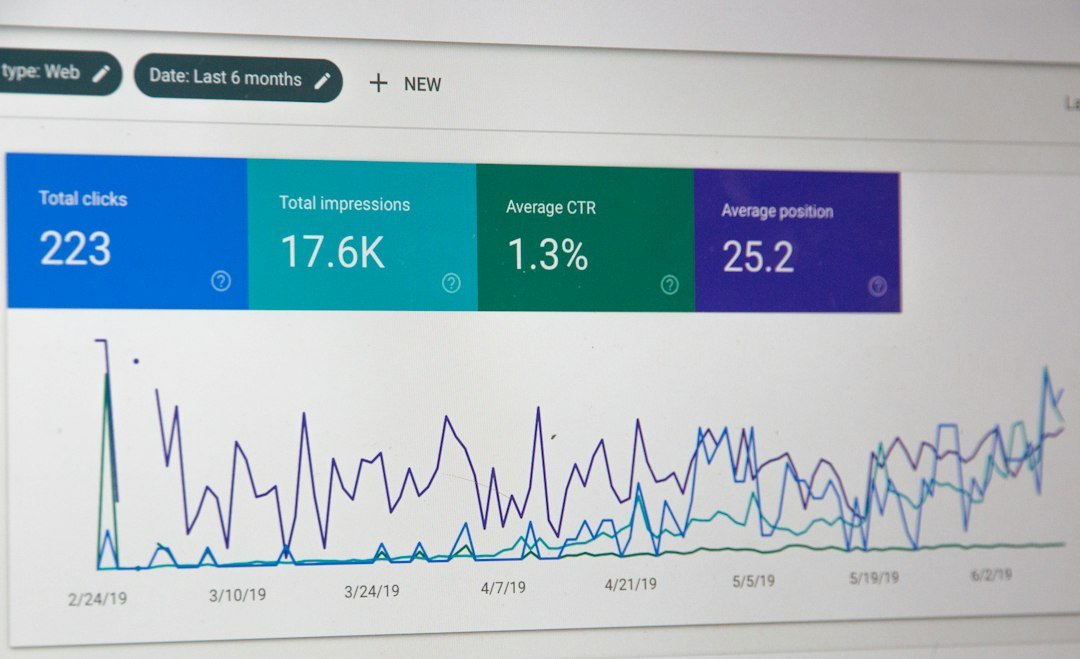
- Use the right comparison. Google suggests a baseline of the week before the update began, which here is roughly November 3 to November 9. In Search Console, compare that week with the first full week after the rollout ends, using the same days of the week.
- Look at pages and queries, not just totals. Check which pages gained or lost clicks and impressions, and which queries moved.
- Separate Search from Discover. If you publish news or blog content, check Discover traffic separately.
- Be careful with the new generative AI report. Search Console has a Generative AI performance report for AI Overviews and AI Mode impressions. SERoundtable reported a data bug in that report between November 9 and 11, so treat those days with caution when comparing.
- Do not make large changes during the rollout. Rewriting many pages mid-update makes it hard to know what helped or hurt.
- Review content honestly. If a drop is clear and lasting, ask whether the affected pages are the most helpful result for the query, are accurate and up to date, and show real experience.
What About Seasonal Traffic?
Traffic naturally changes around holidays and shopping events. Because the rollout runs into the US holiday period, some sites will be comparing holiday weeks with a normal week. Compare with the same period last year where you can, and note that Indian traffic follows a different calendar, so festival timing can also affect your numbers.
Limitations
- Tracking tools measure sample searches, not your real traffic, and they can disagree.
- Early reports are anecdotal, and the picture can change as the rollout finishes.
- Google has not published which sites were affected or why.
What Could Happen Next?
Once the rollout is marked complete on the Search Status Dashboard, industry analysis of winners and losers will follow, and Google may issue further guidance. Until then, any claim about the update’s “target” is a guess. The most reliable step is to keep publishing useful, accurate content and to track your own data.
Related Guides
- Google September 2026 spam update explained
- How to recover from a Google spam update
- Google Search Console for beginners
- AI content and Google’s spam policy
Frequently Asked Questions
When did the November 2026 core update start?
Google started it on November 10, 2026, and said the rollout may take up to two weeks.
Is this a spam update?
No. It is a core update, which changes broad ranking systems. Google confirmed a separate spam update in September 2026.
My rankings dropped. Should I fix my site right now?
Wait for the rollout to complete, then compare a full week of data with the week before November 10. Avoid large changes until you know what moved.
Can I recover from a core update drop?
Google says improvements can take days or months to appear and are not guaranteed. It has not published a special recovery process.
Does the update affect Google Discover?
Core updates can affect Discover and some search features, so check Discover traffic separately.
Sources
- Search Engine Roundtable: Google November 2026 core update rolling out
- Search Engine Journal: Google’s November 2026 core update starts rolling out
- PPC Land: Google’s core update shifts rankings for up to 2 weeks before Black Friday
This article reflects published reporting as of November 22, 2026. The rollout may still be in progress, so details may change. Check the Google Search Status Dashboard for the latest status.