



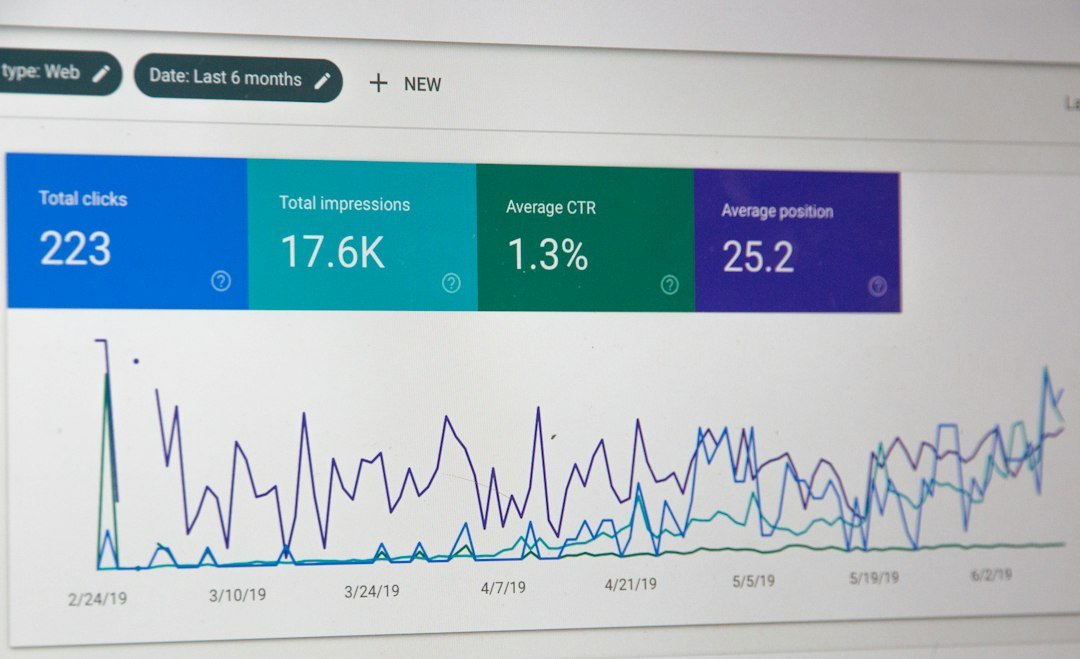
Direct answer: Between October 16 and October 21, 2026, SEO tracking tools and forum discussions showed unusually large movement in Google Search rankings. Google has not confirmed an update. Search Engine Roundtable called it an unconfirmed ranking update, and speculation says a core update may be coming. If your traffic changed, compare it with a clean time period first and avoid making large site changes in a panic.
What Happened?
Search Engine Roundtable reported a spike in ranking volatility and SEO chatter on October 16, 2026, and again on October 20 and 21. The author said that tools might be struggling to track the movement, but combined with the volume of discussion, it appeared that an unconfirmed Google update was in progress. A separate report said that more than 15 tracking tools flagged sharp movements across industries, and that Google had not confirmed any algorithm change.
This comes shortly after Google’s September 2026 spam update, which began on September 24 and finished on October 8, 2026. The last confirmed core update mentioned in recent coverage was the May 2026 core update, which ran from May 21 to June 2.
Why Is It Trending?
- Timing: it follows a long spam update, so site owners are unsure which change caused which result.
- Unusual patterns: some site owners reported rankings improving while clicks fell sharply. One account described much higher impressions and average position, but clicks down by roughly 60 to 70 percent. That is anecdotal and not verified.
- Discover and News reports: some publishers said Discover traffic dropped around October 20, and others complained about low-quality results in Discover and News.
- Tool disagreement: an SEO consultant reported two health and finance sites that disappeared from Google, even for brand searches, and returned on October 16, while major tools showed conflicting dates for the drop.
What Has Google Confirmed?
Nothing about these specific dates. Google has not announced a core update, spam update or other change for October 16 or October 20 to 21. Everything beyond that is observation from tracking tools and community discussion. Some commentators think the movement may be a preview of an upcoming core update, but that is speculation.
Who Is Affected?
Reports mention publishers, news sites, and sites in sensitive topics such as health and finance. But volatility reports are not proof that a specific site was affected by an update. Many sites will see normal ups and downs unrelated to anything Google changed.
What Should You Do?
- Look at the right dates. In Google Search Console, compare the last 7 days with the previous 7 days, and also with the same period earlier. A single day is not enough to judge.
- Separate impressions from clicks. If impressions rise but clicks fall, check click-through rate and the search results for your key queries. Changes in the layout of results, including AI features, can change clicks without a ranking drop.
- Check for manual actions and security issues. Open the Manual actions and Security issues reports in Search Console. Recent commentary has noted more manual actions, so it is worth ruling them out.
- Check technical basics. Confirm that key pages are still indexed, robots.txt has not changed, and the site was not down.
- Do not rewrite everything. Large changes during volatile periods make it harder to tell what helped or hurt.
- Record what you see. Note dates, affected pages and queries so you can compare after the update settles.
- Review content quality honestly. If a page is thin, outdated or exists only to rank, improving it is useful regardless of any update.
Limitations and Risks
- Tracking tools measure sample searches, not your real traffic, and they sometimes disagree.
- Forum posts are personal anecdotes and may be influenced by seasonality, tracking errors or other changes.
- A traffic drop on one day does not prove a penalty.
- Acting on rumours may lead to unnecessary changes.
What Could Happen Next?
Google may confirm a core update, may say nothing, or the volatility may settle without an announcement. Unconfirmed updates are common and often are not announced. The safest approach is to keep monitoring Google’s Search Status Dashboard and your own data, and to focus on useful, accurate content.
Related Guides
- Google September 2026 spam update explained
- How to recover from a Google spam update
- Google Search Console for beginners
- AI content and Google’s spam policy
Frequently Asked Questions
Did Google release an update in October 2026?
Google confirmed the September 2026 spam update, which finished on October 8. It has not confirmed an update for October 16 or October 20 to 21, although tracking tools and industry commentary suggest unconfirmed ranking changes.
Is a core update coming?
Some SEO commentators think so, but Google has not announced one. Treat it as speculation.
Why are my impressions up but clicks down?
Several things can cause this, including changes in how results are displayed, AI features, or shifts in which queries you appear for. Compare queries and click-through rate in Search Console before assuming a penalty.
Should I change my website now?
Avoid large changes while rankings are unstable. Fix clear technical problems and improve weak content, but do not rebuild pages based on rumours.
This article summarizes reporting from Search Engine Roundtable and TechJuice as of October 2026. Google has not confirmed the movement described, so details may change.