



Super Bowl ads are basically the Olympics of advertising: huge stakes, massive audiences, and zero patience for boring. Even people who don’t care about football often tune in “for the commercials,” which tells you everything you need to know about how powerful this moment is.
But here’s the good news: you don’t need a Super Bowl-sized budget to learn Super Bowl-level lessons. If you’re building skills for your career, running a small business, freelancing, or managing campaigns for a brand, these ads can teach you timeless fundamentals—attention, clarity, emotion, and follow-through.
And yes, these fundamentals still matter even as Digital Marketing keeps evolving. The platforms change. People don’t. They still respond to stories that feel simple, surprising, and true.
Let’s break down what the “best” Super Bowl ads tend to do (year after year), and how you can apply the same ideas to your next campaign.
1) Why Super Bowl Ads Hit Different (Even When They’re Not “Perfect”)
The best Super Bowl ads aren’t always the fanciest. They’re the ones you remember the next day at work or school. The ones that become a reference: “Did you see that one ad where…?”
The real reasons they work
- High attention environment: People are already watching, waiting to be entertained.
- Shared experience: Everyone sees the ad at the same time, so it becomes instant conversation.
- Simple goals: Most Super Bowl ads aren’t trying to explain 15 features. They’re trying to create one strong impression.
The lesson to steal
Don’t start with “What do we want to say?” Start with: “What do we want people to feel and repeat?”
If your message can’t be repeated in one sentence, it’s probably too complicated for a fast-moving feed (or a living room full of distractions).
2) The First 3 Seconds: How the Best Ads Earn Attention Fast
Super Bowl viewers are quick to judge. If an ad feels slow, people talk over it, check their phones, or grab snacks. So the strongest ads tend to “pay off” early.
What a strong hook looks like
A hook isn’t just noise. It’s a clear signal that something interesting is happening.
Common Super Bowl-style hooks:
- A surprising visual (something instantly odd or unexpected)
- A bold question or line that creates curiosity
- A conflict right away (“This is going wrong…”)
- A familiar face used with purpose (not just a cameo)
How to apply this to your campaigns
If you create ads or content for brands, treat the opening like a promise:
- “Here’s the problem.”
- “Here’s the twist.”
- “Here’s what you’ll get if you keep watching.”
This matters even more when you’re running Display and Video Advertising on social platforms, where people are scrolling fast and skipping faster.
3) Story Beats Spectacle: The Secret Behind “Rewatchable” Ads
Some Super Bowl ads are funny. Some are emotional. Some are weird in a way that works. But the best ones usually have one thing in common: a simple story you can follow without effort.
The classic story patterns that keep showing up
You’ll see versions of these over and over because they work:
- The underdog wins (or at least survives)
- The misunderstanding (leading to a reveal)
- The exaggerated “what if?” (absurd, but relatable)
- The reunion / nostalgia moment (done with warmth, not laziness)
The lesson to steal: one emotion is enough
A lot of average marketing tries to do everything—funny, informative, inspiring, premium, urgent… all at once. Super Bowl ads usually pick one main emotional lane and commit to it.
Practical takeaway: Choose one:
- Make them laugh
- Make them feel something
- Make them say “wait, what?”
Then build everything around that.
And if you’re using Content Marketing alongside ads (blogs, emails, long videos), you can extend the story after the “big moment” instead of cramming everything into 30 seconds.
4) Humor, Heart, and Surprise—Without Feeling Random
Super Bowl ads often lean on humor, but the best humor isn’t just jokes. It’s humor that supports the brand idea.
What works (and what backfires)
Works:
- Humor that fits the audience’s everyday life
- A clear setup → payoff
- A “twist” that still makes sense
Backfires:
- Random chaos with no message
- A celebrity joke that overshadows the brand
- Confusing storytelling where the viewer has to work too hard
The lesson to steal: be clear before you get clever
If you’re writing a script, a caption, or a campaign concept, make sure the “plain version” works first. Then add the fun layer.
A good test:
- Can someone explain the ad in one sentence?
- Can they name the brand without guessing?
- Do they know what to do next (even if the ad is mostly entertainment)?
5) Brand Reveal Timing: Don’t Hide the Logo Until It’s Too Late
A surprising number of ads are memorable… but people forget who they were for. That’s a painful problem to have.
The “best” Super Bowl ads tend to handle branding in one of two ways:
- Brand early: The brand is part of the story from the start.
- Brand earned: The story is so clear that when the brand appears, it feels satisfying—not confusing.
How to apply this (even with small campaigns)
If you’re not a household name, don’t play games. Be a little more direct.
- Put the brand in the first few seconds (visually or verbally)
- Or show the product/service in action early
- Tie the “big moment” back to one clear benefit
This connects nicely with Content Marketing too: you can keep the ad simple and entertaining, then use a follow-up post or landing page to answer the details.
6) The Real Super Bowl Strategy: It’s Not One Ad, It’s a Whole Chain
One of the biggest misunderstandings is thinking the Super Bowl is just a single 30-second spot. For major brands, it’s usually:
- a teaser before the game,
- the main ad during the game,
- shorter cutdowns after,
- social clips,
- behind-the-scenes content,
- creator/influencer posts,
- and a landing page that captures demand.
The lesson to steal: plan your “after” before you launch
If your content gets attention, what happens next?
Here’s a simple chain you can copy:
- Tease: A short post that builds curiosity (no pressure, just interest)
- Launch: The main video or ad
- Explain: A follow-up post that makes the offer clear
- Convert: A page/link that answers questions quickly
- Reuse: Cut the best parts into 3–5 short clips
This is where Display and Video Advertising becomes much more efficient: you’re not constantly reinventing—you’re repackaging what already worked.
Also, if you’re learning Social Media Marketing, this is a great habit: treat campaigns as sequences, not one-off posts.
7) How to Apply Super Bowl Ad Lessons on a Small Budget (Without Copying)
You don’t need a celebrity. You need a clear idea, good pacing, and a plan to reuse the content.
A small-budget version of a “Super Bowl-worthy” process
Step 1: Pick one audience and one moment.
Example: “People who want to switch careers but feel overwhelmed.”
Step 2: Choose one emotion.
Relief, confidence, laughter, belonging—just one.
Step 3: Build a simple script.
- Hook (first 3 seconds)
- Problem (what’s frustrating)
- Shift (the twist or insight)
- Result (what life looks like after)
- Next step (one clear action)
Step 4: Shoot for clarity, not perfection.
Good lighting, clean audio, and a calm pace will beat fancy effects most of the time.
Quick checklist you can follow this week
- Write a one-sentence message people can repeat
- Create 3 hooks and test them (same message, different openings)
- Keep one version under 15 seconds and one under 30 seconds
- Add captions (most people watch without sound sometimes)
- Send viewers to one clean link with clear next steps
- Save comments/questions for your next post (free content ideas)
If you’re building a portfolio for jobs, this is also a great project: create a “Super Bowl-style” campaign concept for a brand you like—then show the hooks, cutdowns, and landing page idea.
8) What Super Bowl Ads Suggest About the Future (2026 and Beyond)
Super Bowl ads are expensive, but they’re also a preview of where attention is moving.
The future direction (in plain terms)
- Shorter edits and stronger openings will matter more
- Brands will rely more on multi-platform storytelling, not single moments
- Viewers will expect entertainment and honesty (especially around claims)
This is exactly where Digital Marketing is heading: tighter messaging, faster creative cycles, and more emphasis on what people actually do after they watch (click, search, share, buy, subscribe).
The smartest takeaway: Super Bowl ads aren’t just “big budget ads.” They’re an advanced class in being clear, memorable, and repeatable—at scale.
Conclusion: Steal the Principles, Not the Price Tag
The best Super Bowl ads don’t win because they’re expensive. They win because they’re focused: a strong hook, one emotion, a simple story, and a clear brand connection—plus a plan for what happens after the ad runs.
Your next step: pick one campaign you’re working on (or a personal project), and rewrite it using the “one sentence + one emotion + one next step” rule. If you do that, your marketing will instantly feel sharper—no football required.
15 Most-Searched FAQs (Concise, Trust-Building Answers)
Q1: What makes a Super Bowl ad one of the “best”?
A: The best ads are memorable, easy to understand, and clearly tied to the brand. They usually deliver one strong emotion and one clear idea.
Q2: How much does a Super Bowl commercial cost?
A: The media placement alone can cost millions, and production adds more. That’s why most brands reuse the creative across other channels afterward.
Q3: Are Super Bowl ads actually effective for sales?
A: They can be, but effectiveness depends on the follow-through—landing pages, offers, retargeting, and clear messaging after the game.
Q4: Do small businesses need to copy Super Bowl ads to compete?
A: No—copy the principles (hook, clarity, story), not the budget. A simple, well-shot video with a strong message can perform extremely well.
Q5: What’s the biggest lesson marketers can learn from Super Bowl ads?
A: Attention is earned quickly, and clarity wins. If people can’t repeat the message, it won’t travel.
Q6: How do I use Super Bowl ad lessons in Digital Marketing?
A: Build campaigns as sequences: teaser → main message → follow-up content → conversion page. That structure works across social, email, and web.
Q7: What is Display and Video Advertising in simple terms?
A: It’s paid promotion using visual ads (display banners) and video ads across websites, apps, and platforms. It’s often used to build awareness and drive clicks.
Q8: How long should my video ad be in 2026?
A: Make multiple versions: 6–15 seconds for fast feeds, and 20–30 seconds when you need a bit more context. Test and keep what performs.
Q9: Should I use humor in my ads?
A: Humor works when it supports the message and fits your audience. If it distracts from the brand or causes confusion, it’s not worth it.
Q10: Do celebrities make ads perform better?
A: Sometimes, but only when the celebrity fits the story and audience. A clear message and strong hook often matter more than a famous face.
Q11: How do I measure results from Display and Video Advertising?
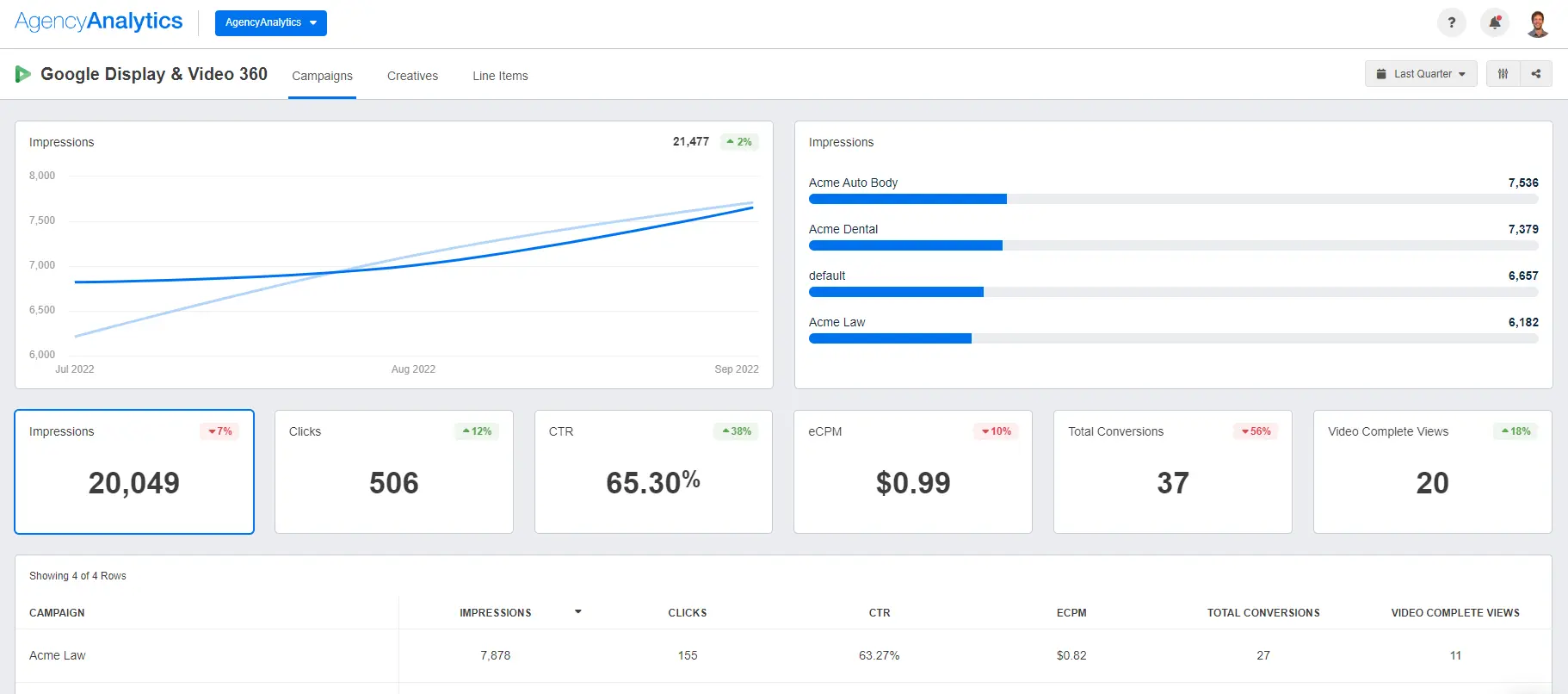
A: Track the basics: view-through rate, clicks, cost per result, and what people do after they land (signups, purchases, bookings). Don’t judge success by views alone.
Q12: What’s the biggest mistake brands make with big ads?
A: Making the ad memorable but the brand forgettable. Branding should be part of the story, not an afterthought.
Q13: How can creators or freelancers use these lessons for personal branding?
A: Use a strong opening line, show your process, and end with one clear next step (DM, portfolio link, booking link). Consistency beats “one viral post.”
Q14: How does Digital Marketing help extend a big video campaign?
A: It turns attention into action through retargeting, email follow-ups, landing pages, and helpful content that answers questions.
Q15: Can I repurpose one ad into multiple pieces of content?
A: Yes, and you should. Cut the main video into short clips, pull out quotes, and turn common questions into follow-up posts to keep momentum going.